

Safety Tips for Local Moving Service: Protecting Your Belongings During Transit
Moving across town may seem simple, but every relocation still requires careful planning, safe handling, and organized protection for your belongings. Even short-distance moves can involve heavy furniture, fragile items, tight hallways, weather concerns, and transportation risks. Taking the right safety measures before, during, and after the move can help reduce damage, prevent loss, and make the entire process feel more manageable. Many households rely on local moving companies because professional movers understand how to pack, load, transport, and unload belongings with care. According to ZipDo, over 80% of moves are within the same state, showing how common local relocations are for families, renters, and homeowners. With the right preparation, your move can be safer, smoother, and less stressful from start to finish. Planning ahead also allows you to identify potential risks early and take steps to minimize them before moving day arrives. Creating a checklist can also help you stay organized and ensure that no important steps are overlooked during the process. Setting aside essential items separately can also make your first day in the new space more comfortable and convenient.
Moving Company Selection
Choosing the right mover is one of the most important safety steps. Local moving companies should be licensed, insured, and experienced with residential moves in your area. Before hiring a team, review their credentials, ask about their safety procedures, and confirm that they use proper equipment for furniture, appliances, boxes, and fragile belongings.
Customer reviews can also reveal how a company handles real moving situations. Look for comments about punctuality, careful handling, communication, and how the company responds when problems occur. Reliable movers should have a clear process for protecting belongings and addressing concerns before moving day begins.
Packing Material Preparation
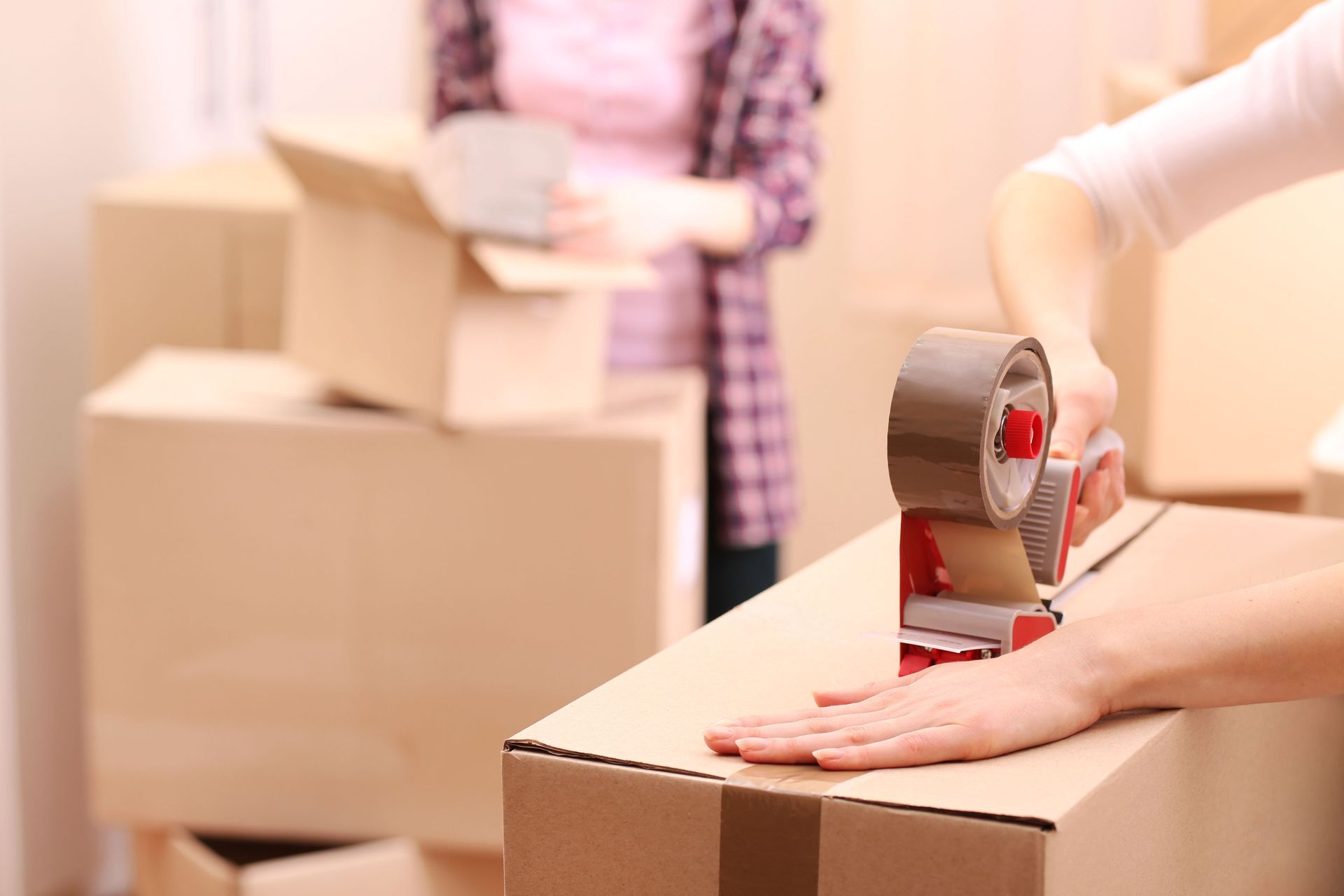
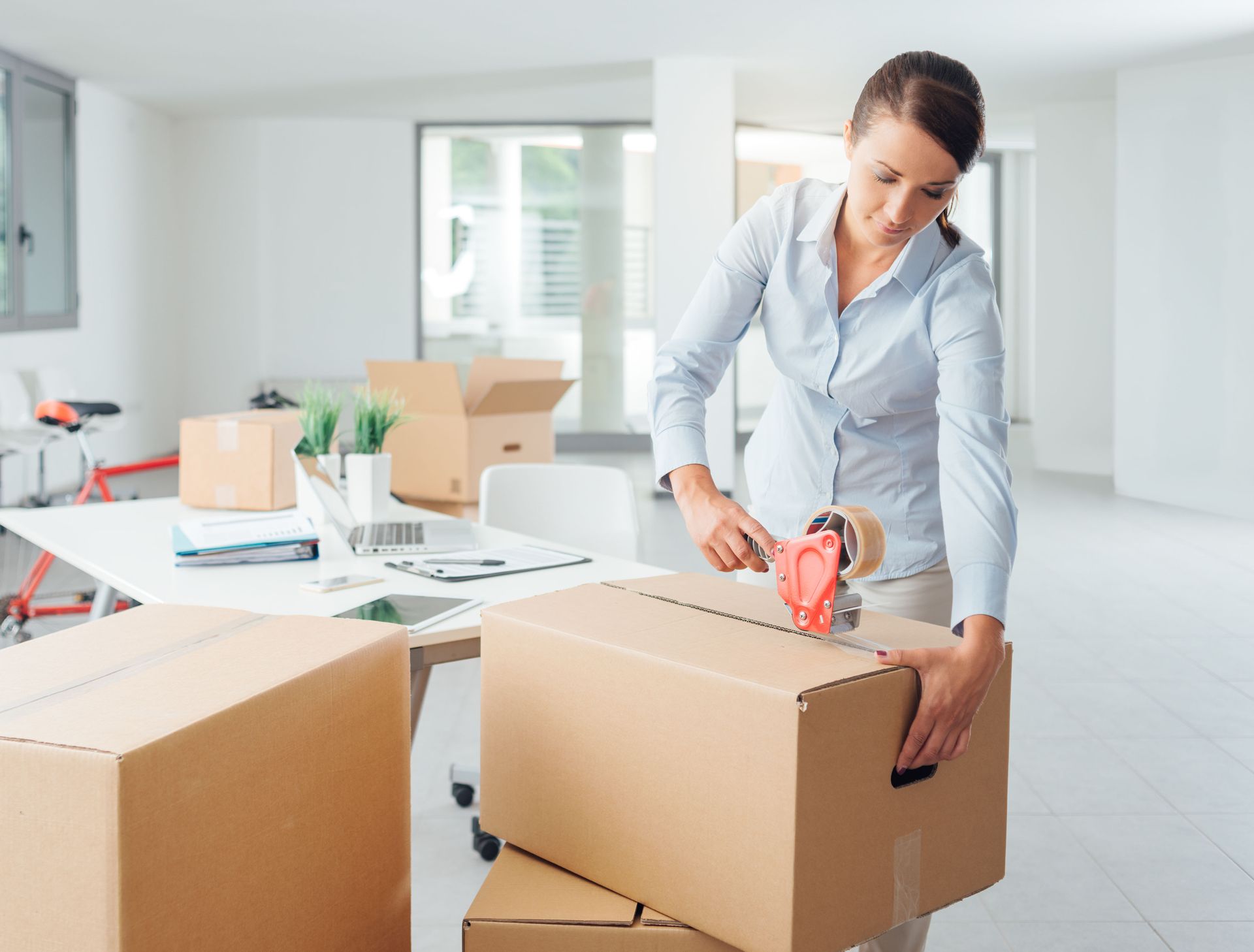
Safe packing begins with the right materials. Strong boxes, packing paper, bubble wrap, furniture blankets, mattress covers, and durable tape help protect items from pressure, movement, and impact. Weak or reused boxes may collapse during lifting, especially when filled with books, dishes, tools, or small appliances.
Each box should be packed according to weight and fragility. Heavy items belong in smaller boxes, while lightweight items can go into larger containers. Fragile belongings should be wrapped individually and cushioned with padding so they do not shift during transport. Local moving companies often recommend using specialty boxes for dishes, wardrobes, mirrors, artwork, and electronics. Taking extra time to pack properly can prevent costly damage and make unpacking easier later.
Box Labeling Organization
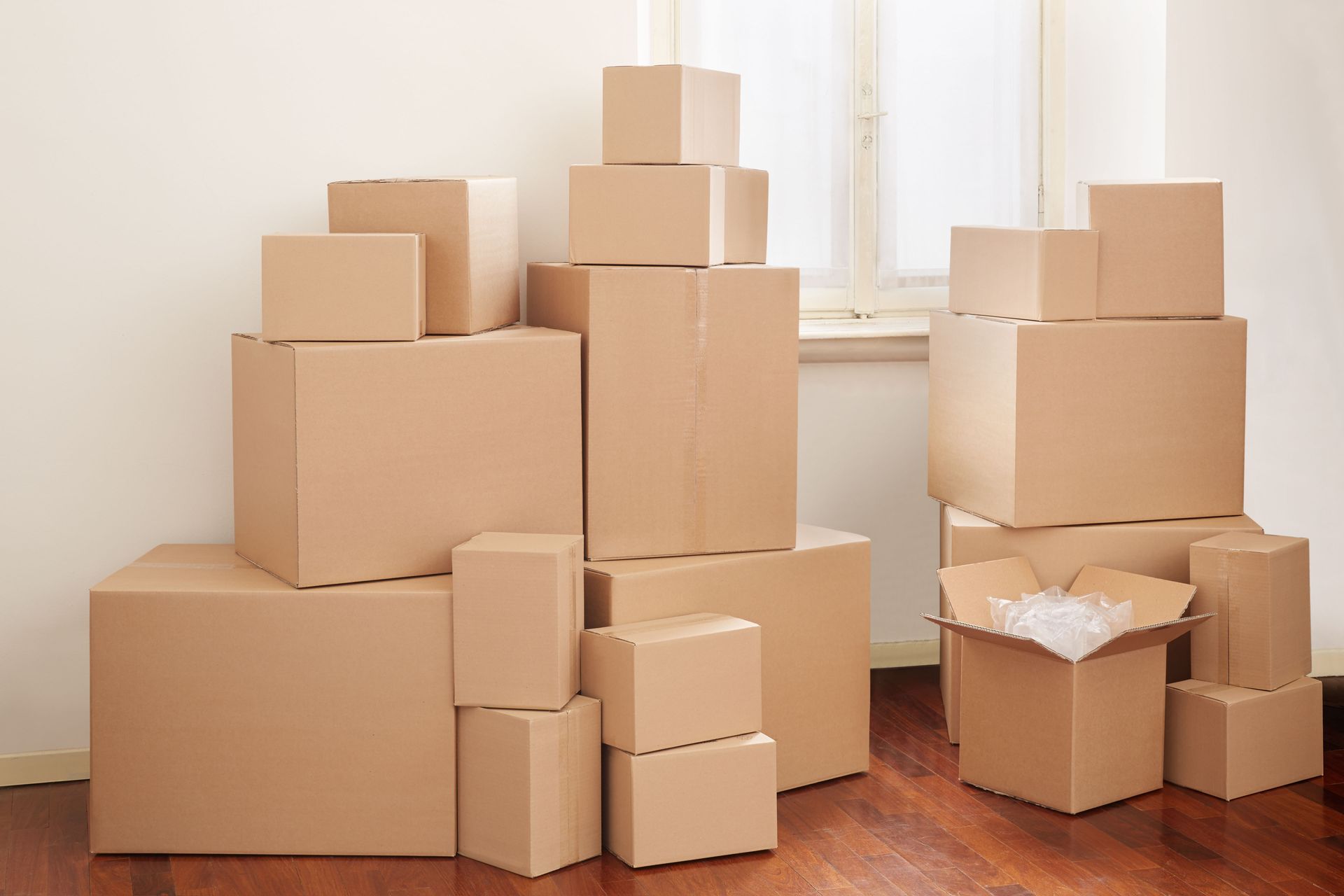
Clear labeling helps prevent confusion and unnecessary handling. Each box should list the room destination and a brief description of the contents. Boxes containing glass, dishes, electronics, or keepsakes should be marked “fragile” on multiple sides so movers can identify them quickly.
Color-coded labels can make unloading easier, especially when several rooms are involved. Keeping a written or digital inventory also helps you track belongings and confirm that everything arrives safely. Organized labeling gives local moving companies better direction and helps prevent boxes from being placed in the wrong room.
Fragile Item Protection
Fragile items need extra attention because they are most likely to break during lifting or transit. Dishes, glassware, mirrors, lamps, artwork, collectibles, and electronics should be packed with cushioning on all sides. Empty spaces inside boxes should be filled so items cannot move around.
It is also helpful to separate fragile items from heavy belongings. Placing delicate items under books, tools, or cookware can cause cracking, bending, or crushing. For valuable or sentimental possessions, consider carrying them personally when possible. Local moving companies can also provide guidance on how to prepare delicate items before moving day. This extra attention helps preserve items that may be difficult or impossible to replace.
Furniture And Appliance Safety
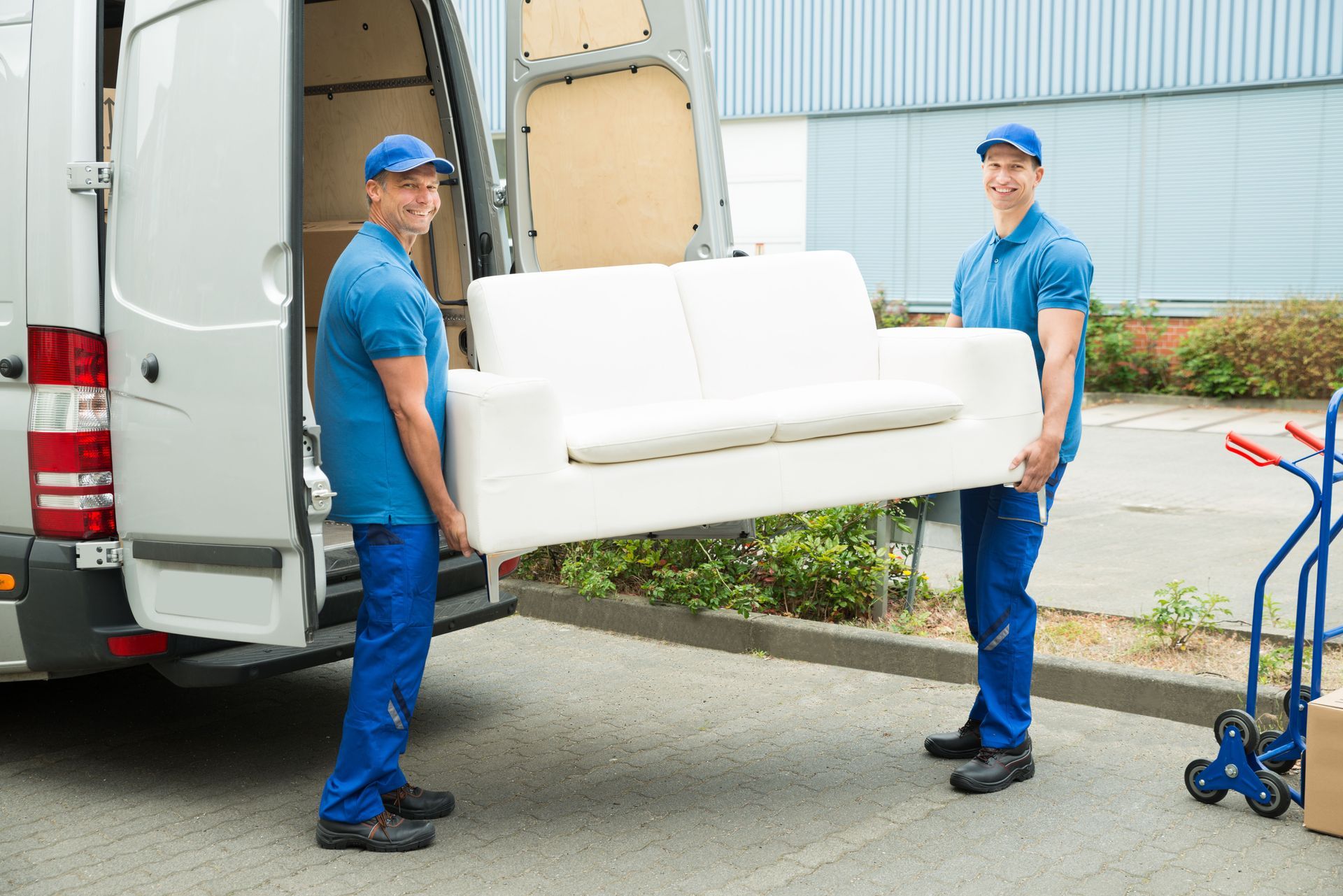
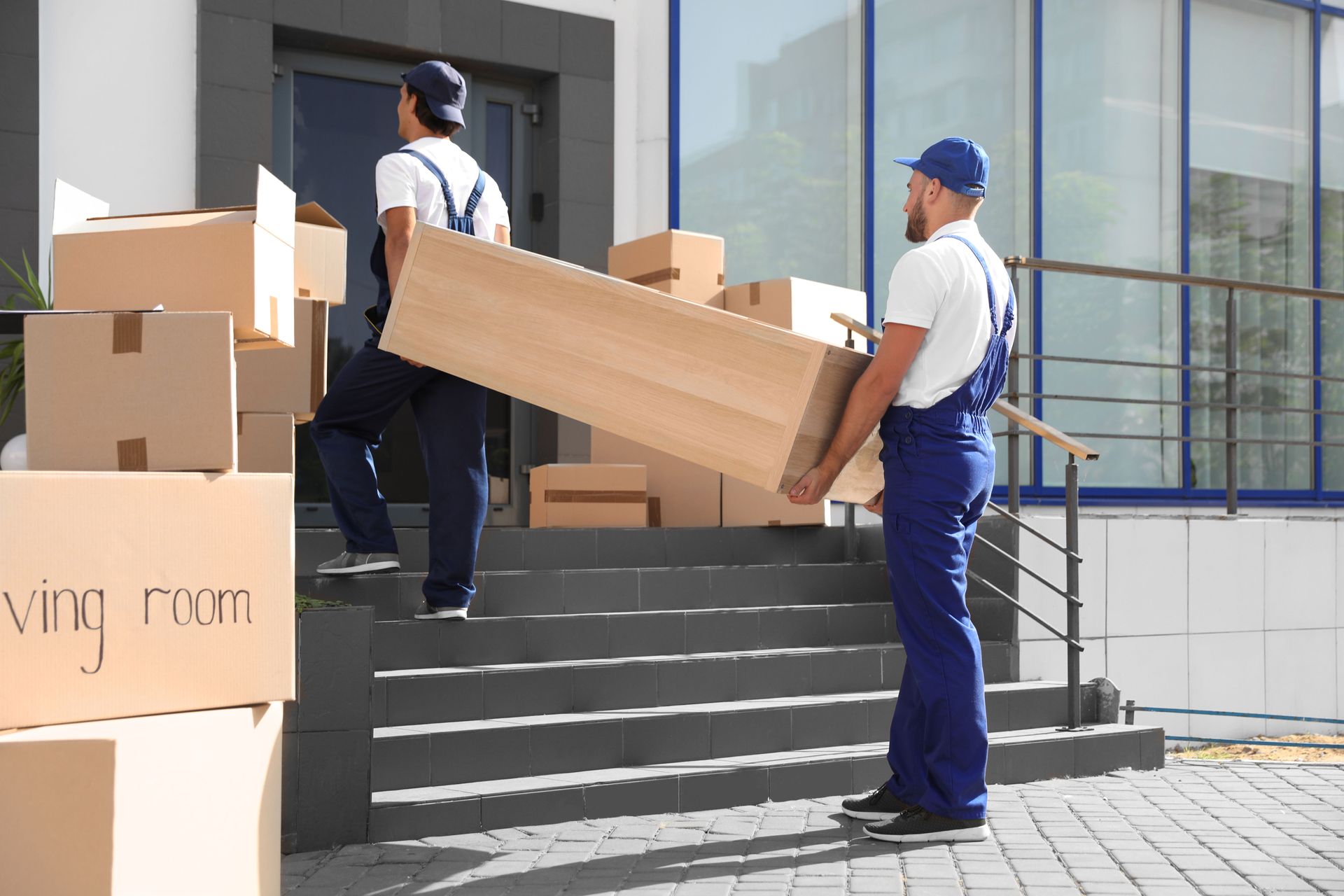
Large furniture should be prepared before it is moved. Remove drawers when possible, secure doors, detach loose parts, and wrap surfaces to prevent scratches. Furniture blankets and stretch wrap can protect wood, metal, upholstery, and glass from scuffs during loading and unloading.
Appliances should be cleaned, disconnected, and secured before transport. Refrigerators, washers, dryers, and ovens may require special handling to prevent internal damage. Measuring doorways, hallways, and staircases in advance can also reduce the risk of dents, wall damage, or injuries during the move.
Truck Loading Methods
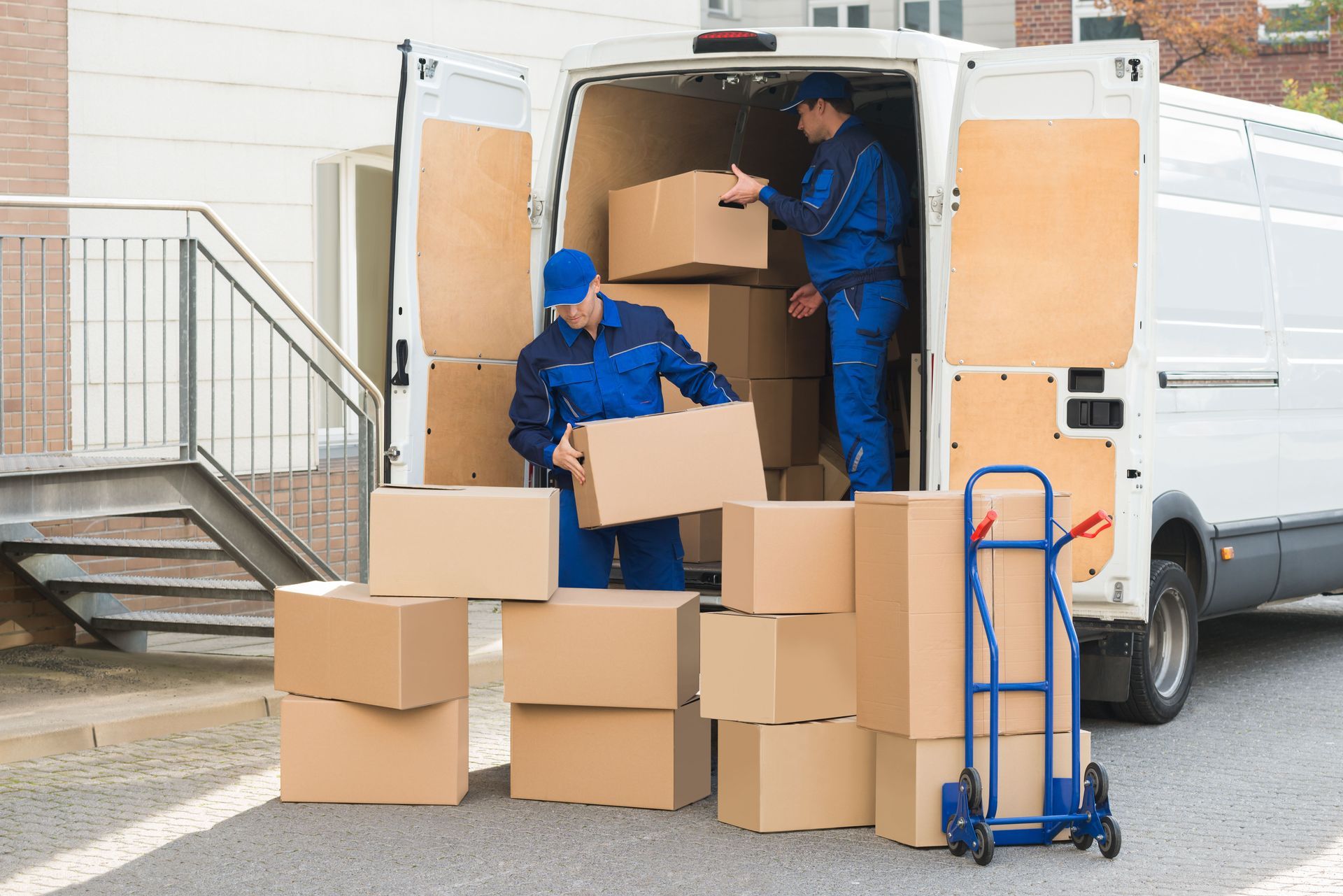
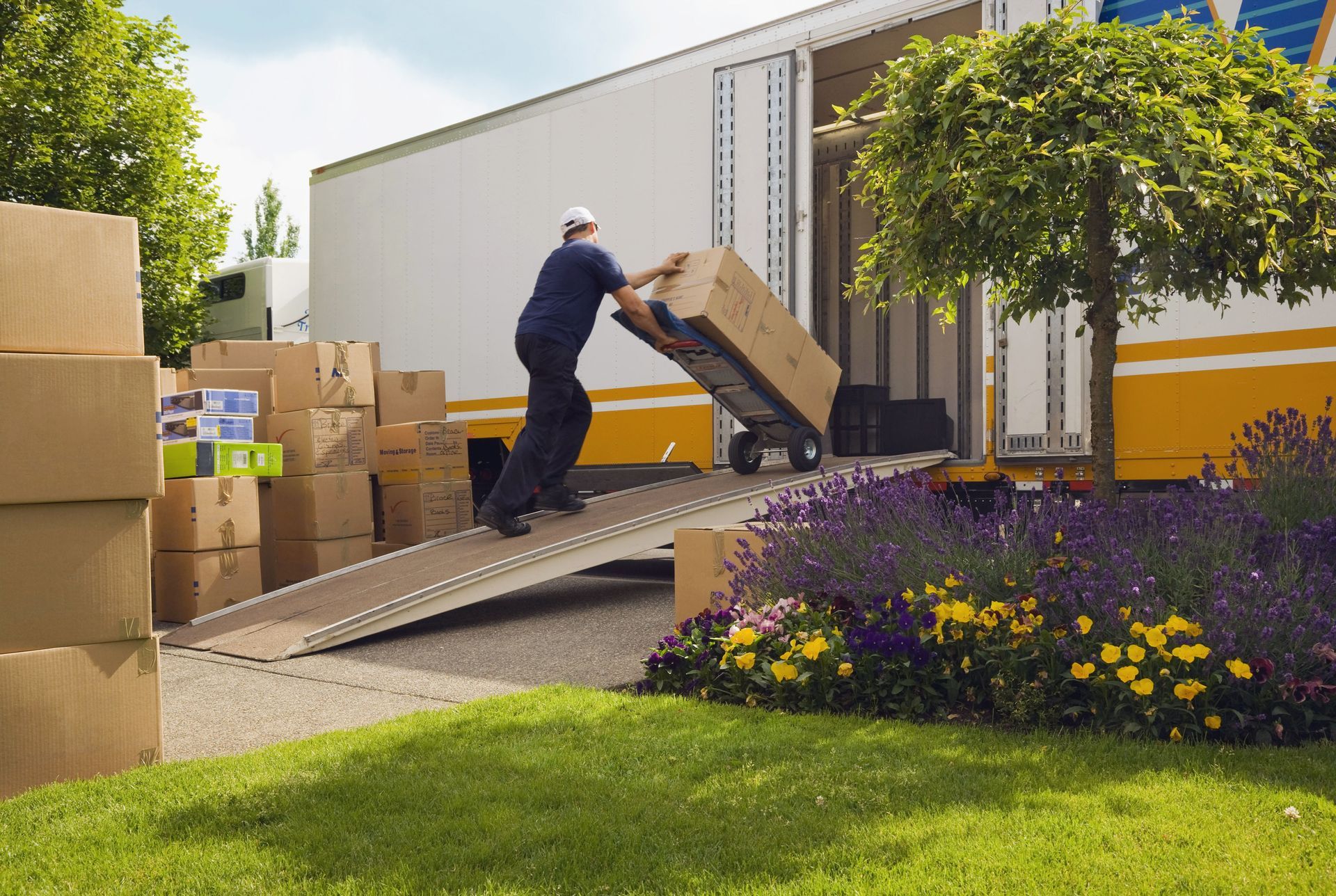
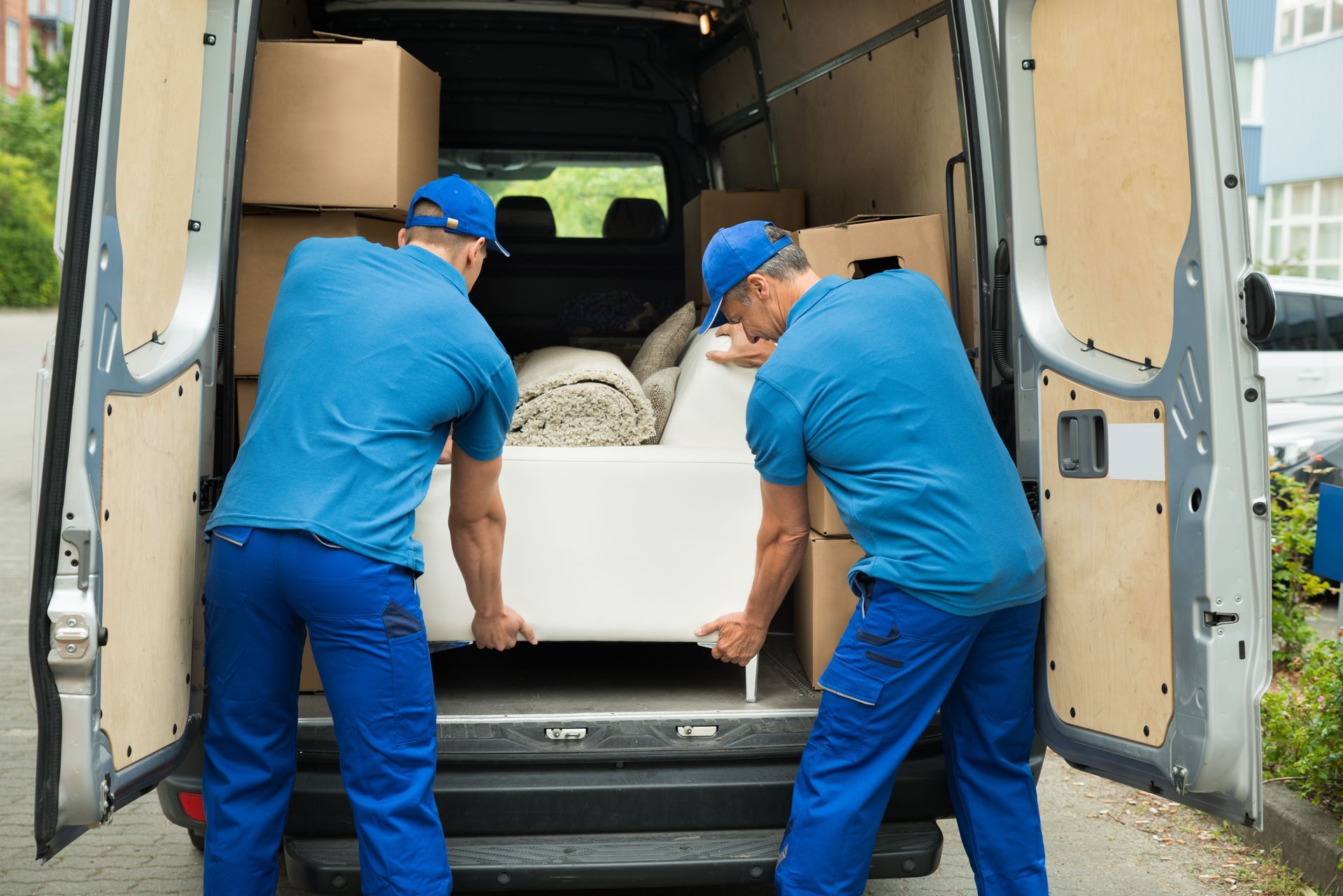
Safe loading is essential for preventing damage during transportation. Heavy furniture and appliances should be loaded first to create a stable base. Boxes and lighter items can then be arranged carefully around them. Weight should be distributed evenly throughout the truck to reduce shifting during turns, stops, and bumps.
Moving straps, ropes, and padding can help keep items secure. Nothing should be stacked in a way that places too much pressure on fragile or lightweight boxes. Experienced local moving companies understand how to position belongings so they remain stable throughout the trip. Proper loading techniques also help maximize space and reduce the number of trips required.
Route And Weather Planning
Even local moves can be affected by traffic, road closures, rain, snow, heat, or high winds. Planning the route in advance helps reduce delays and avoid unsafe conditions. It is also wise to have an alternate route ready in case unexpected obstacles appear.
Weather protection is especially important when moving electronics, wood furniture, mattresses, paper documents, and fabric items. Waterproof covers, plastic bins, and quick loading methods can help reduce moisture exposure. When conditions are difficult, local moving companies may adjust timing or handling procedures to protect belongings.
Arrival Inspection Process
Once belongings arrive, inspect items before the move is considered complete. Compare boxes and furniture against your inventory list, check for visible damage, and note any missing items right away. Taking photos can help document concerns if an insurance claim becomes necessary.
Unloading should be done in an organized order. Place boxes in their labeled rooms, keep walkways clear, and set fragile items in secure areas first. This reduces clutter and lowers the risk of tripping, dropping items, or damaging belongings during unpacking.
Moving Issue Resolution
Delays, misplaced boxes, and minor damage can happen during a move, even with careful planning. Good communication helps resolve these issues quickly. Keep contact information for the moving company available, and report concerns as soon as they are noticed.
Before moving day, review the company’s insurance coverage and claims process. Understanding what is covered can help you respond calmly if something is damaged or missing. The best local moving companies provide clear policies and professional support when problems need to be addressed.
Safety Planning Summary
Protecting your belongings during a local move requires preparation, organization, and careful handling. From choosing the right mover to packing correctly and inspecting items at arrival, each step plays an important role in reducing risk. A safe move is not only about transportation but also about planning every detail before the first box is lifted.
Working with local moving companies can make the process easier by bringing experience, equipment, and structure to the move. With quality packing materials, clear labels, secure loading, route planning, and careful unloading, your belongings have a much better chance of arriving safely. A thoughtful approach can help turn a stressful moving day into a more organized and confident transition. Contact Costa Mesa Moving Co, Inc today and learn more about our moving services.

Share On: